top of page
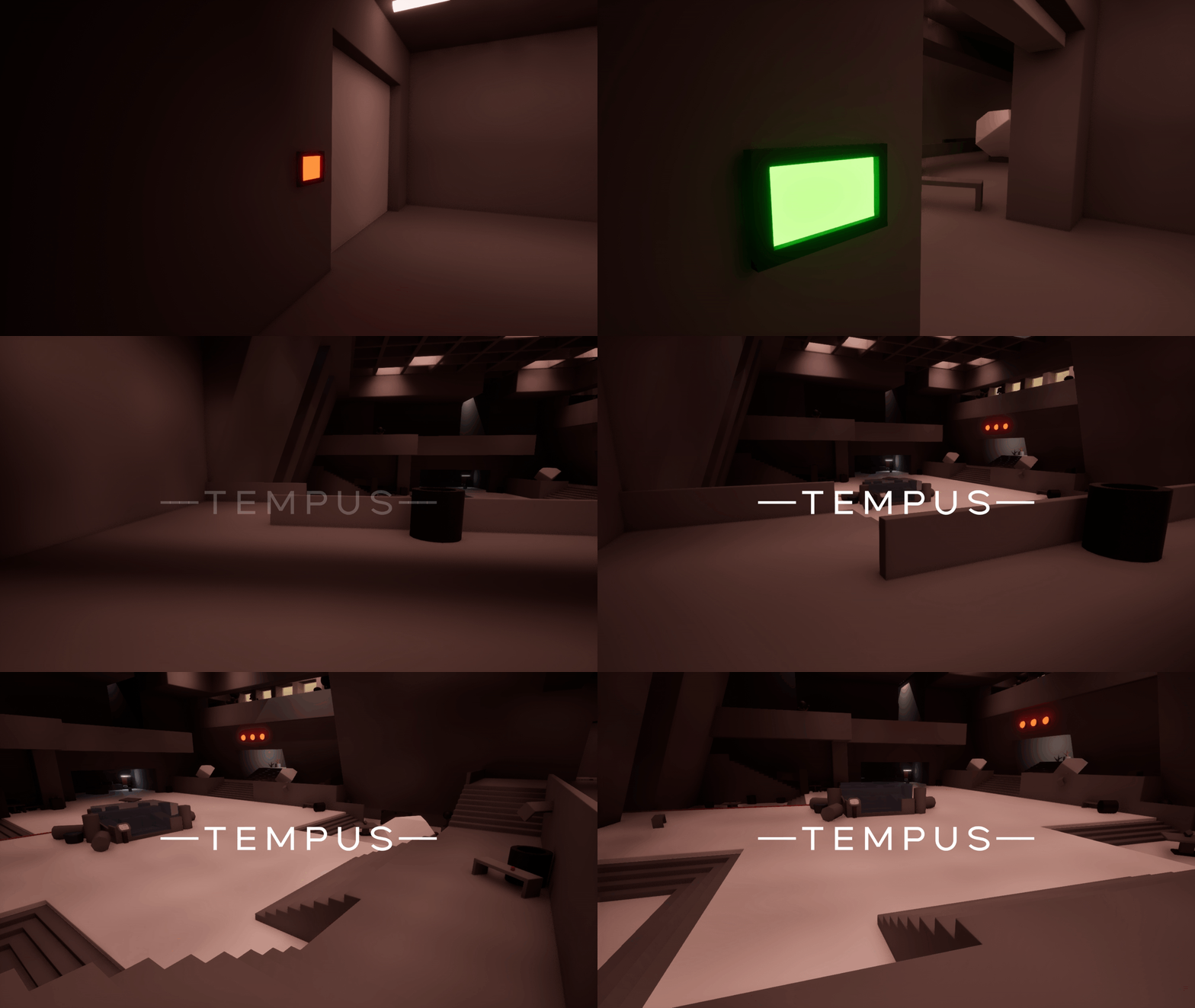
Level Overview
An environmental puzzle experience centered around the manipulation of Time and Space all within the confines of a Brutalist facility. The player must solve a series of puzzles of increasing complexity to begin to understand where they are.
Gameplay Overview:
- 3 main puzzle sequences centered around the manipulation of either time, space, or both
- Traverse the interconnected facility by completing the puzzles and engaging with interactive elements
- Explore the facility in 2 different times


Level Progression


Hub (All Lights Disabled)
Puzzle 1
Hub First Light


Puzzle 2
Hub - Second Light
Puzzle 3, Section 1

Puzzle 3, Section 2

Puzzle 3, Section 3

Hub (All Lights Enabled)
Full Gameplay
Introduction
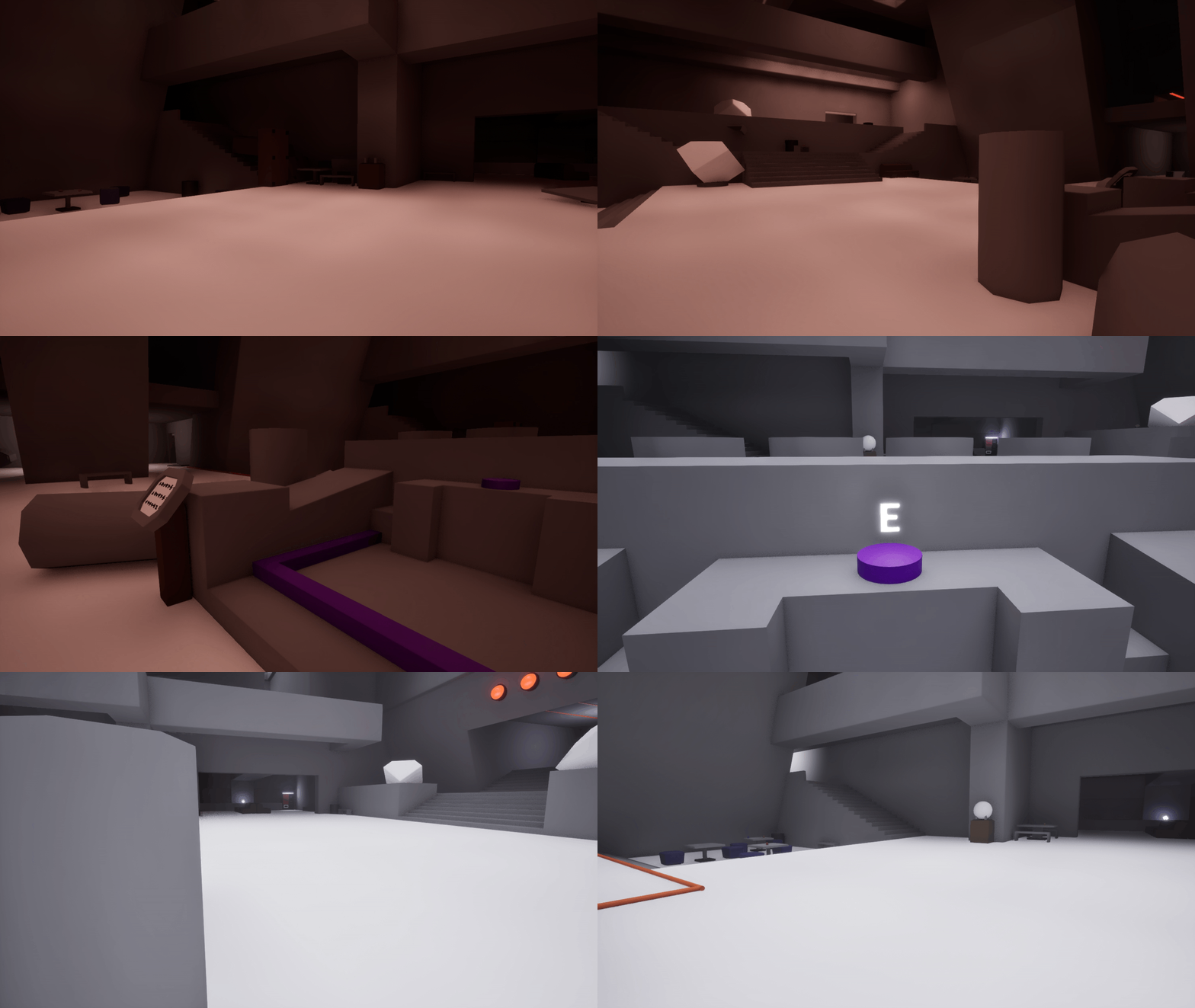
When designing the initial section of this level, I aimed to create a space that could serve as a centralized "hub" area interconnected with the other sections of the environment. I also needed this space to be an introduction to a few key mechanics that would be used frequently, such as crouching for traversal, replacing batteries to restore power, and introducing the idea of time travel.
Area Breakdown:
- Centered the Time Travel console in the room to draw player's attention and create intrigue; this should encourage the player to learn how to access the console, directly leading them to the power supply
- Utilized the Time Travel mechanic in the space by blocking/opening player paths, and hinting at future areas
- Implemented multiple entry/exit points for interconnectivity, including locked paths to come back to later


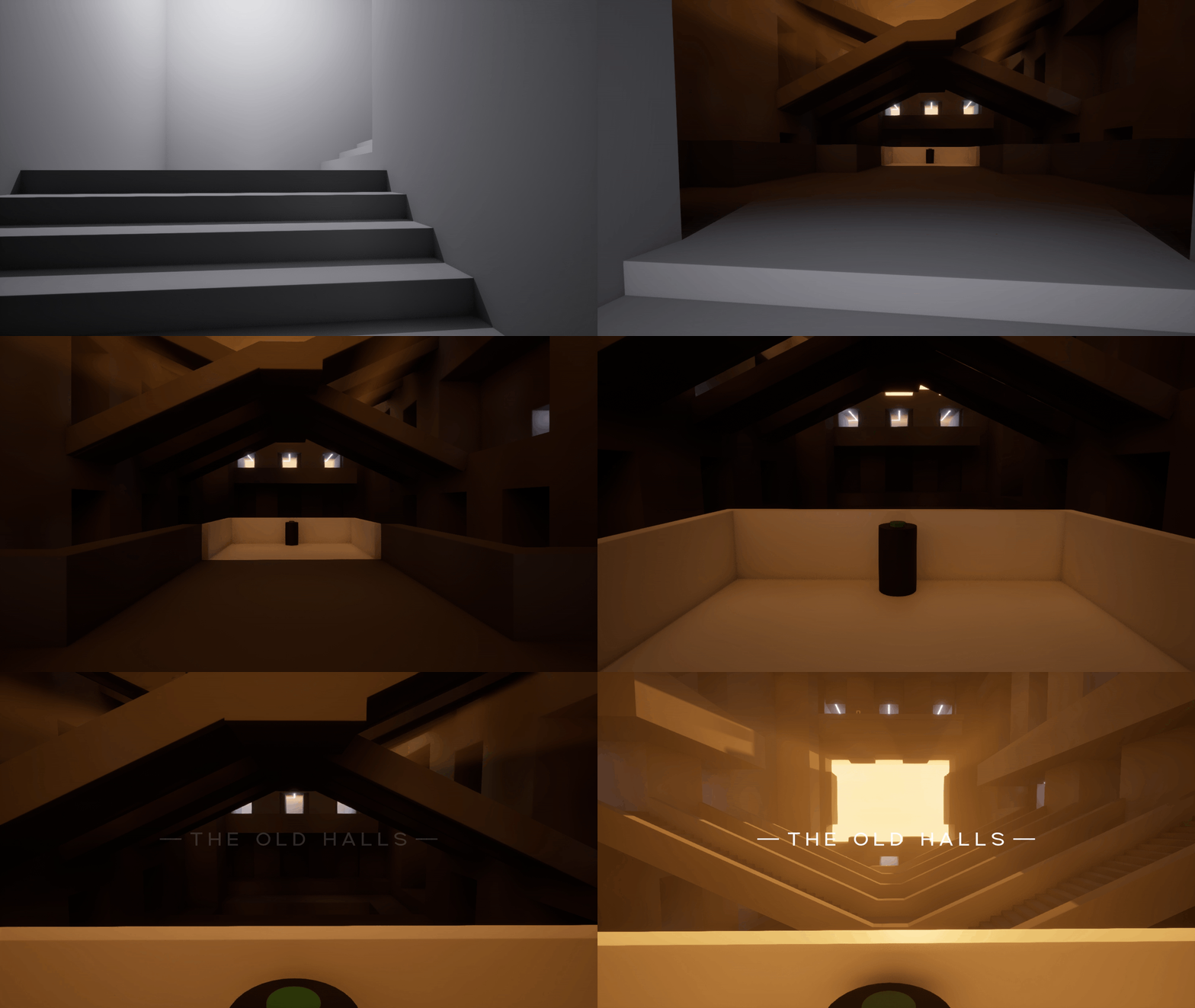
The Old Halls
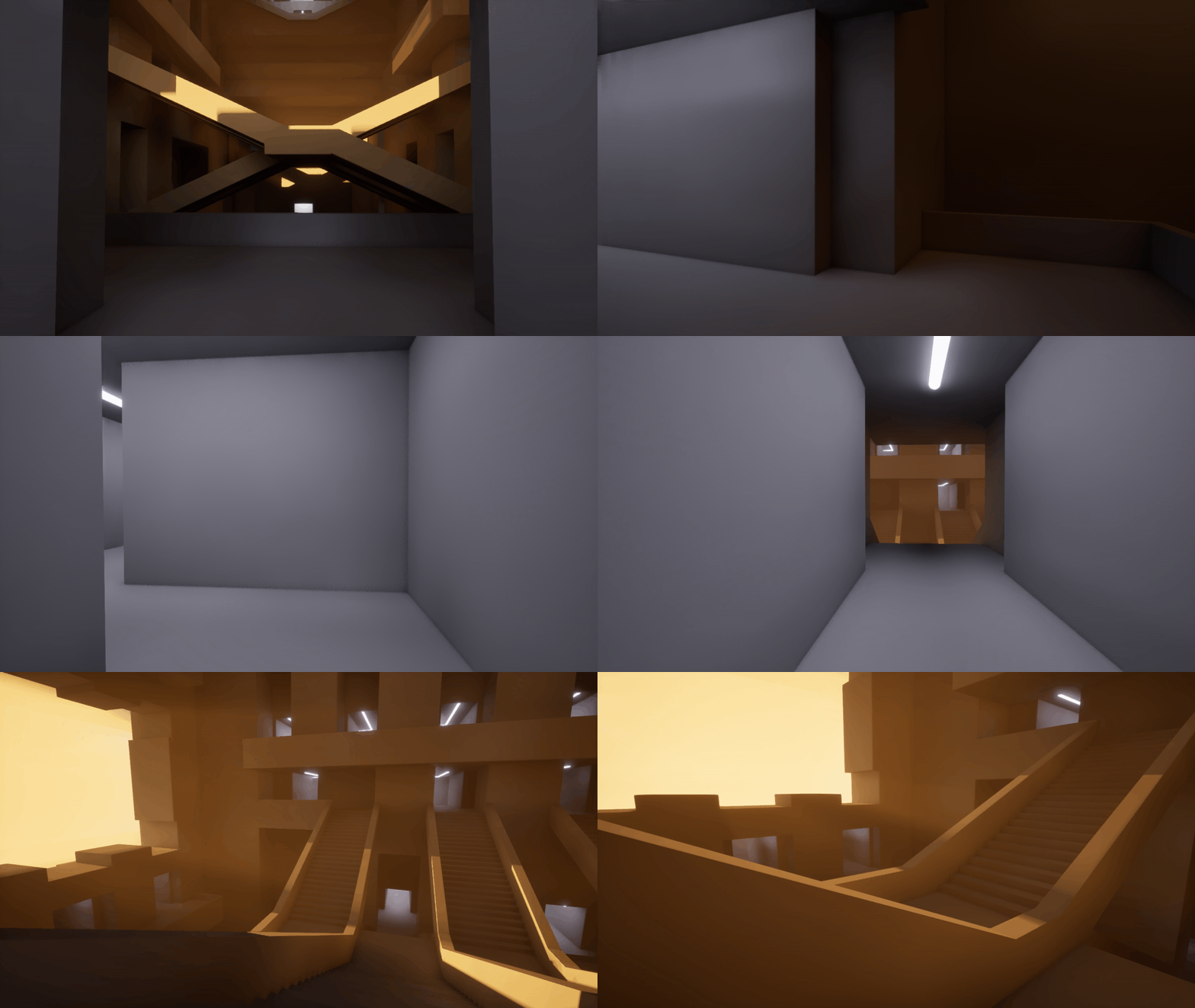
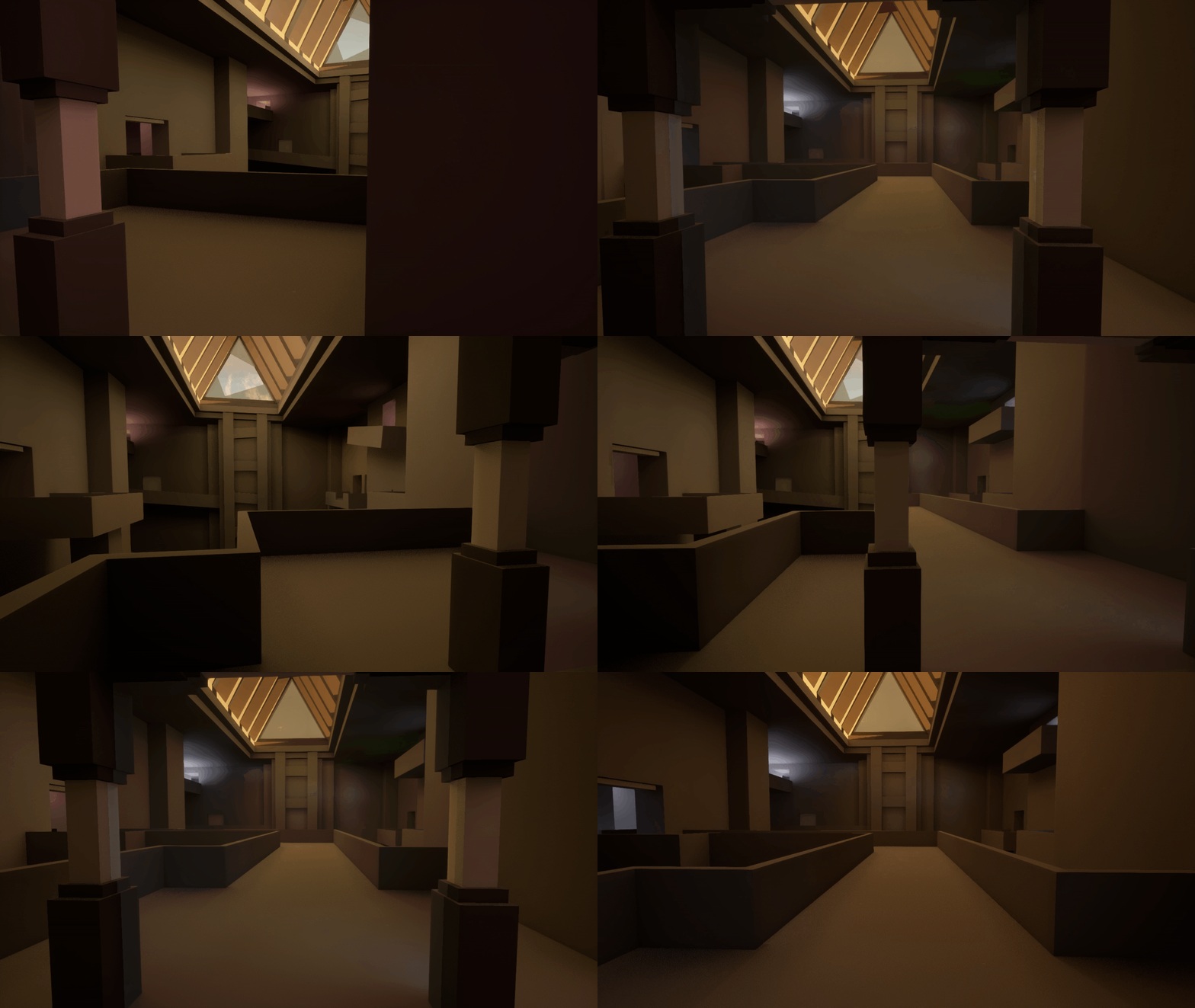
This is the first major puzzle section of the level, and serves as an introduction to the Seamless Hallway mechanic. (bottom gif on left for example Hallway)
Area Breakdown:
- Introduced the Seamless Hallway mechanic in an isolated space
- Utilized the Hallway to create a larger puzzle sequence
- Designed player paths and pacing to be clean and consistent, this is crucial for a puzzle that relies heavily on the player's ability to make a mental map of the space
- Worked with consistent design languages and feedback solutions to effectively distinguish correct choices from incorrect choices (correct paths lead up, correct halls turn green, etc...)
- Upon completing the puzzle, the player is reconnected to the hub level in a previously unreachable area
Gameplay

After, Then Before
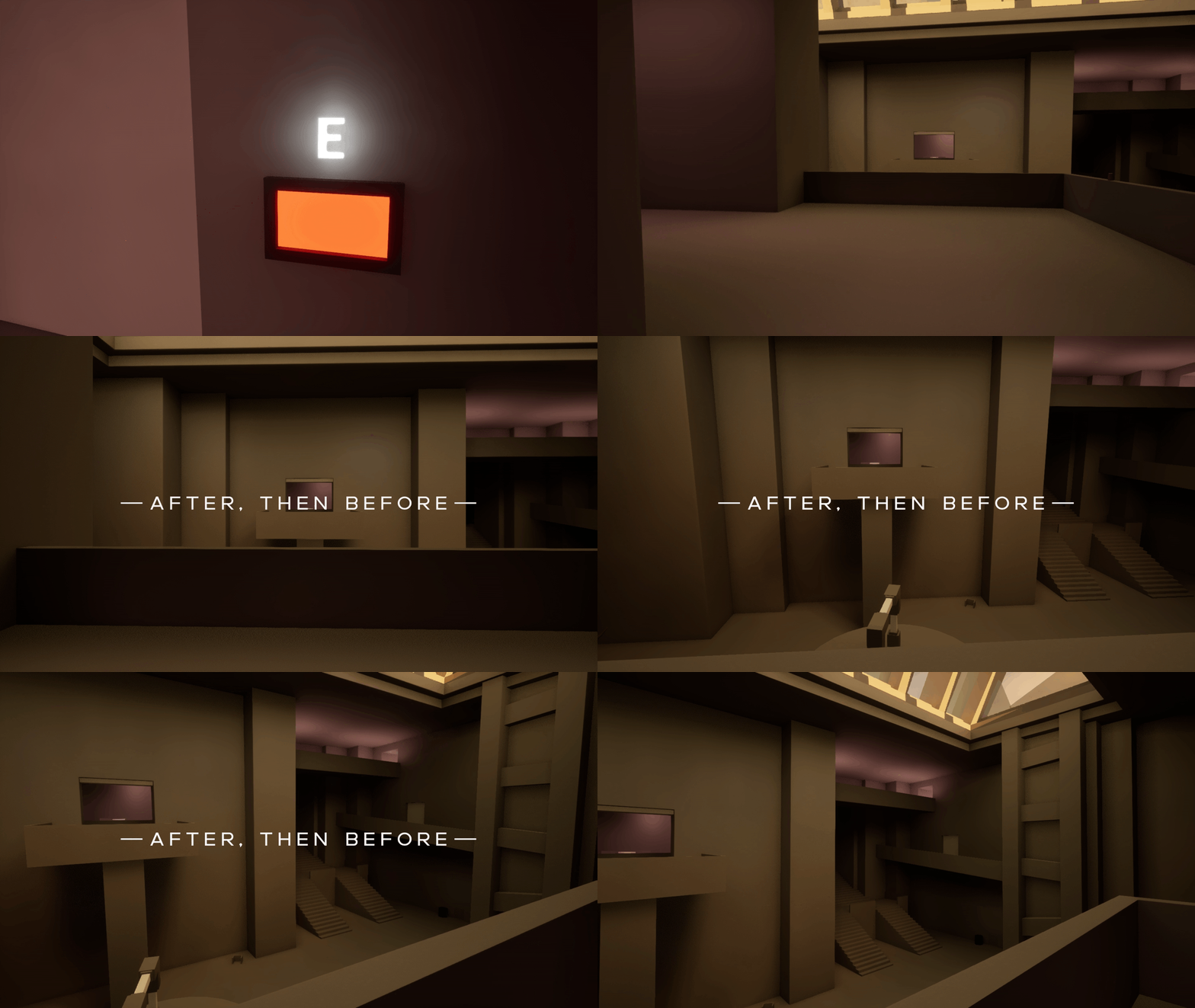
This is the second major puzzle section of the level, which also gives the player an introduction to the Seamless Gateway Mechanic. This puzzle is layered with the battery replacement system.
Area Breakdown:
- Introduced the Seamless Gateway mechanic in an isolated space
- Combined the new mechanic with an established one to enhance the challenge for the second puzzle, increasing the difficulty from the first puzzle
- Focused on flow, creating smooth transitions between the 2 timelines
- Utilized the frame of the Gateway(s) to literally "Frame" important changes on the other side
- Designed with Time Travel at the forefront, allowing actions taken in the past to directly affect the future (opening a door in the past keeps it open when going to the future)
- Once the puzzle is complete, the player reconnects to the hub level in a previously unreachable area


Gameplay
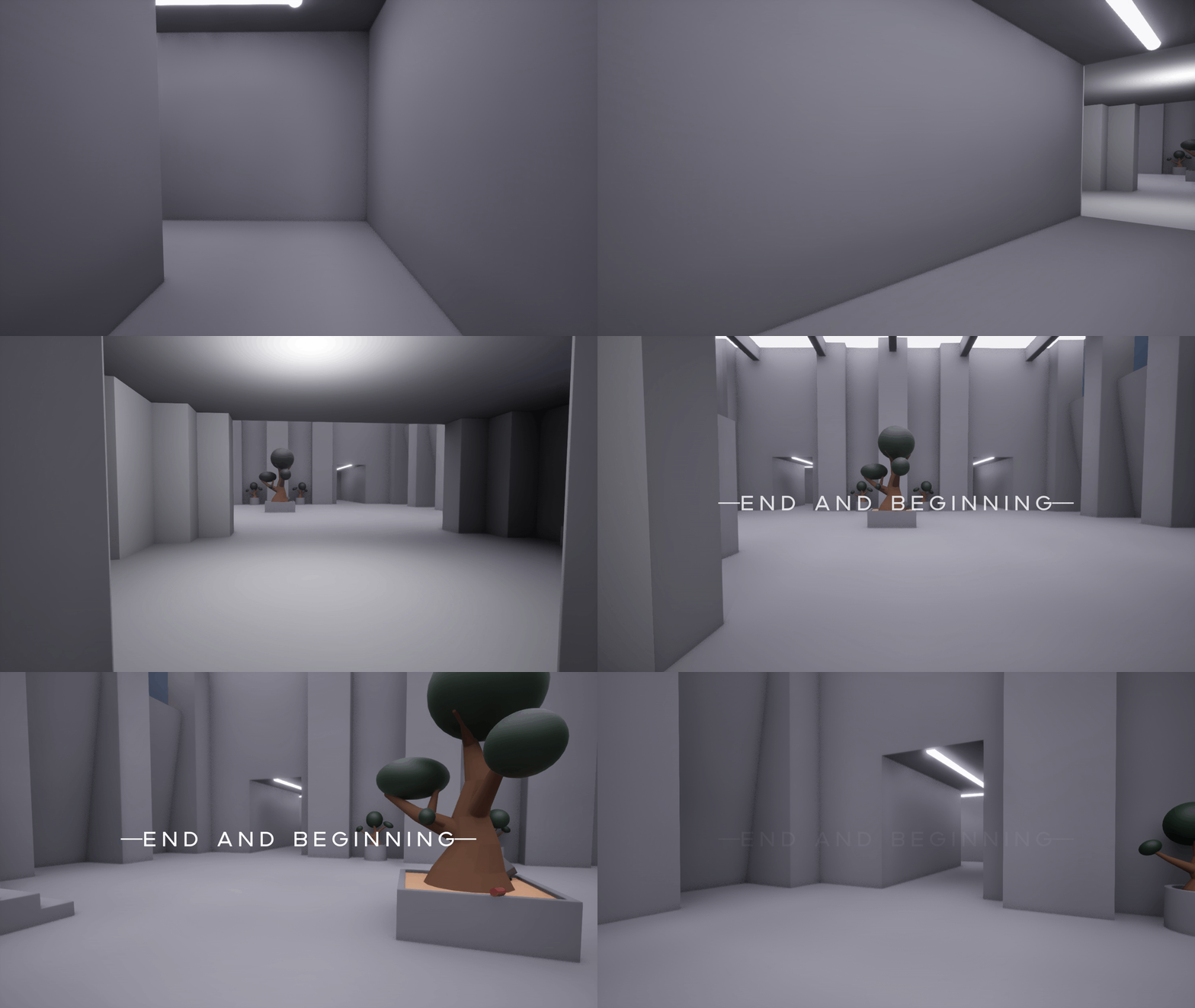
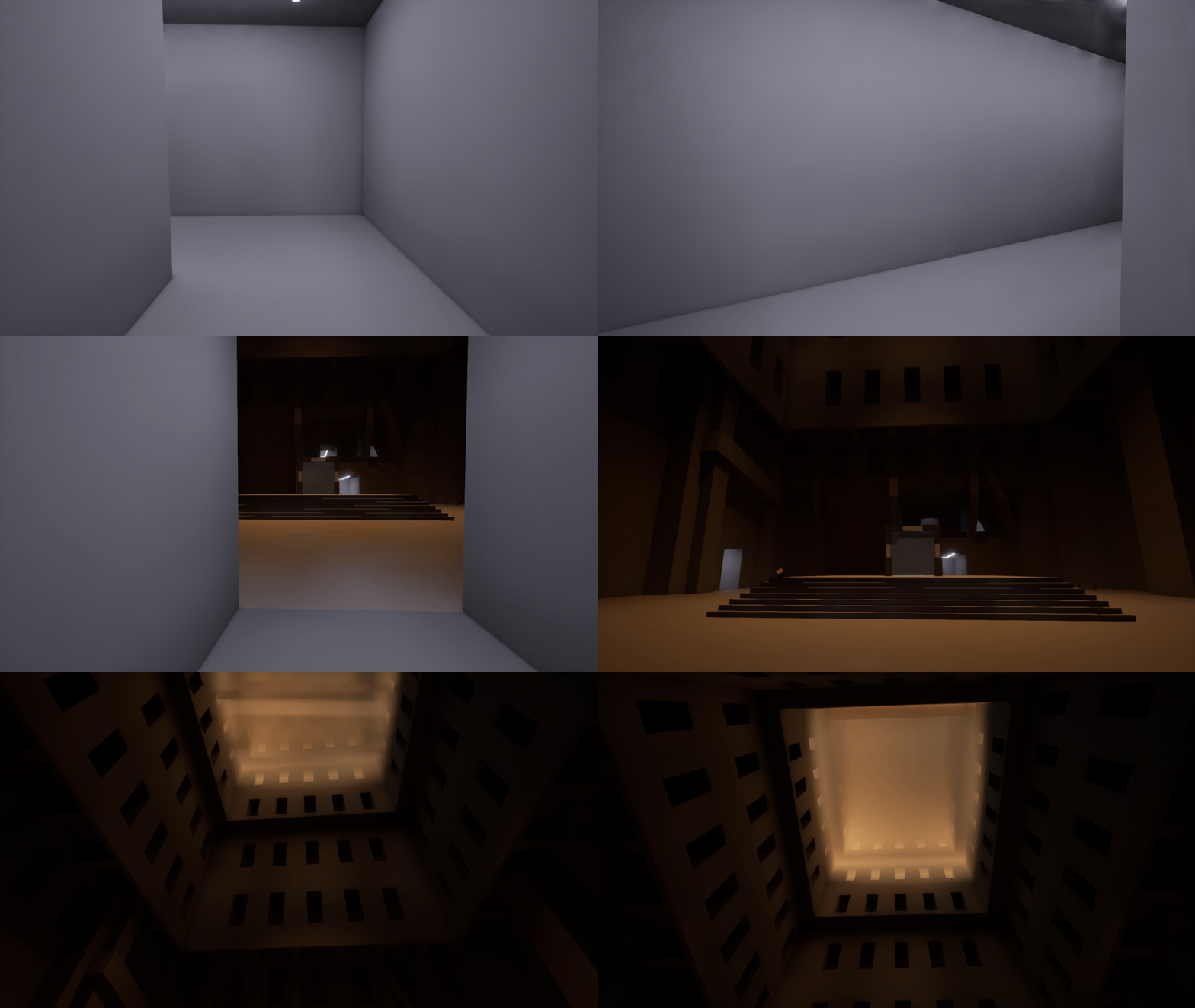


End and Beginning
The final puzzle of the level compiles all previously established mechanics and is split into 3 subsections each with increasing complexity from the last.
Area Breakdown:
- Combined all core level mechanics to create the complete puzzle experience
- Separated into 3 sections to combine the mechanics over time to not overwhelm the player with too much information at once
- Continued to utilize the methods used in previous areas to reinforce a smooth flow, and adjust pacing between sections to create a more engaging puzzle
- Utilized the separate sections to design unique experiences in each that all differ from the previous puzzles
- Returning the the hub level reveals a newly opened door that is consistently hinted at after completing each Puzzle, leading to the end of the level


Gameplay
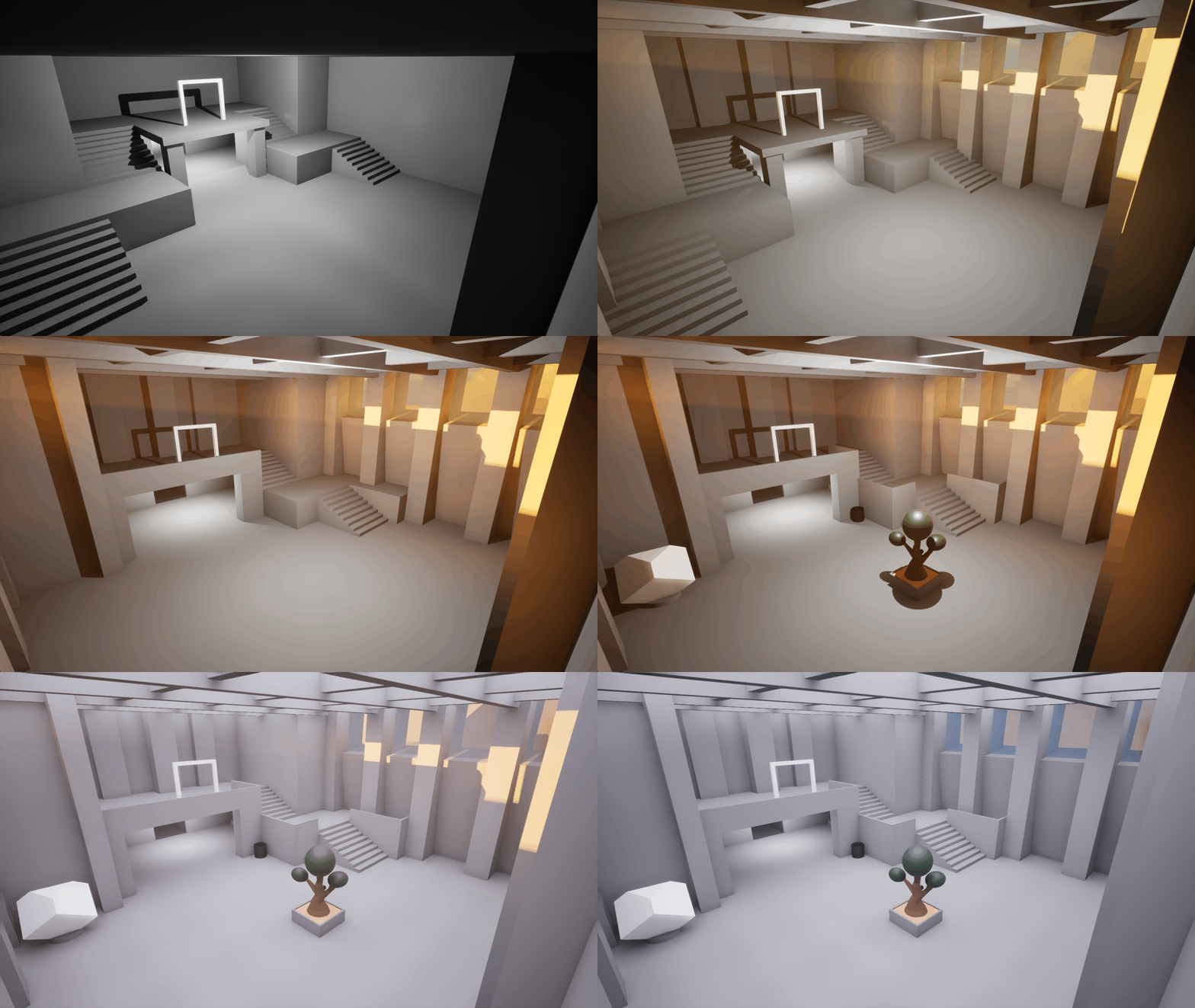
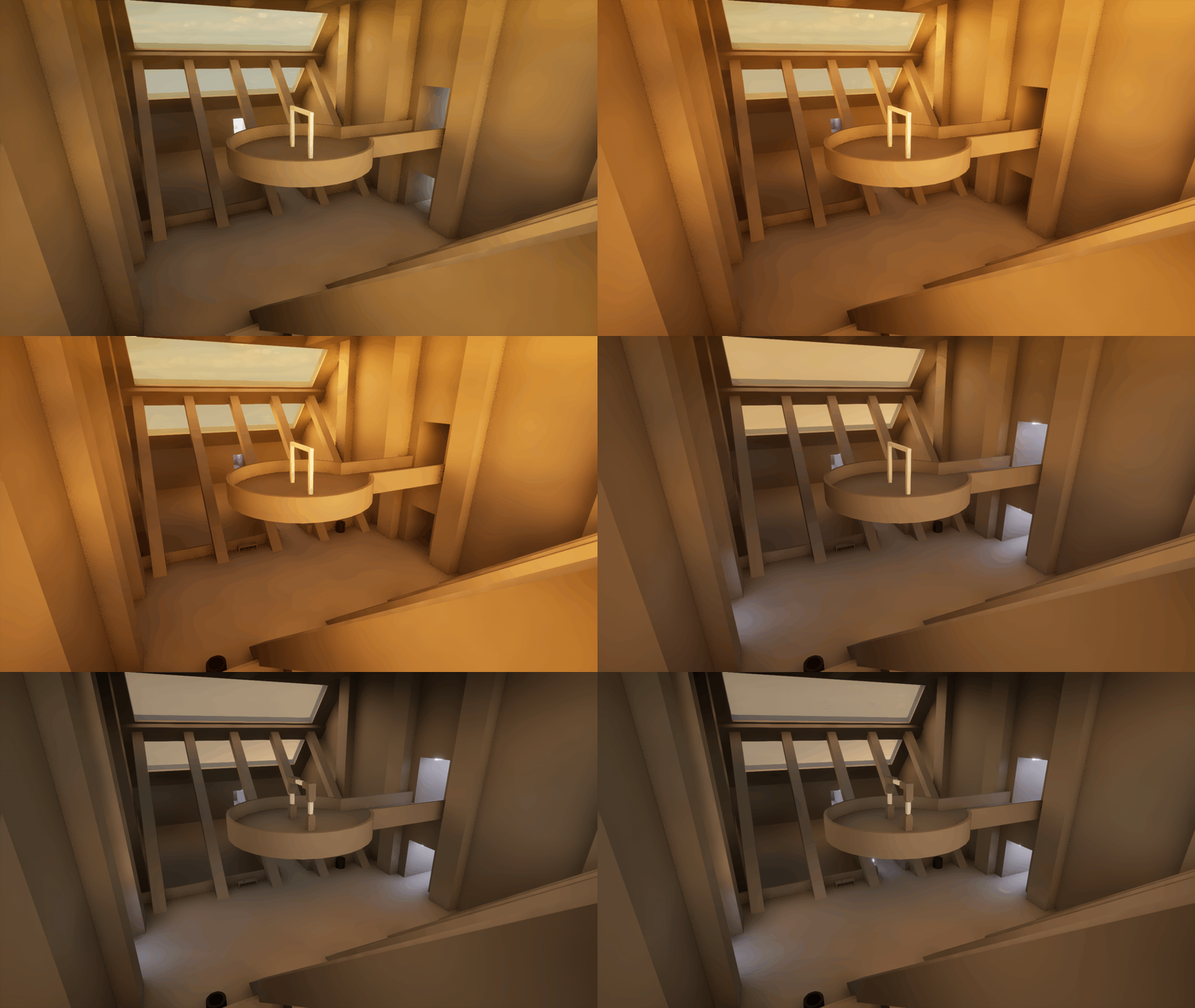
Whitebox Pass
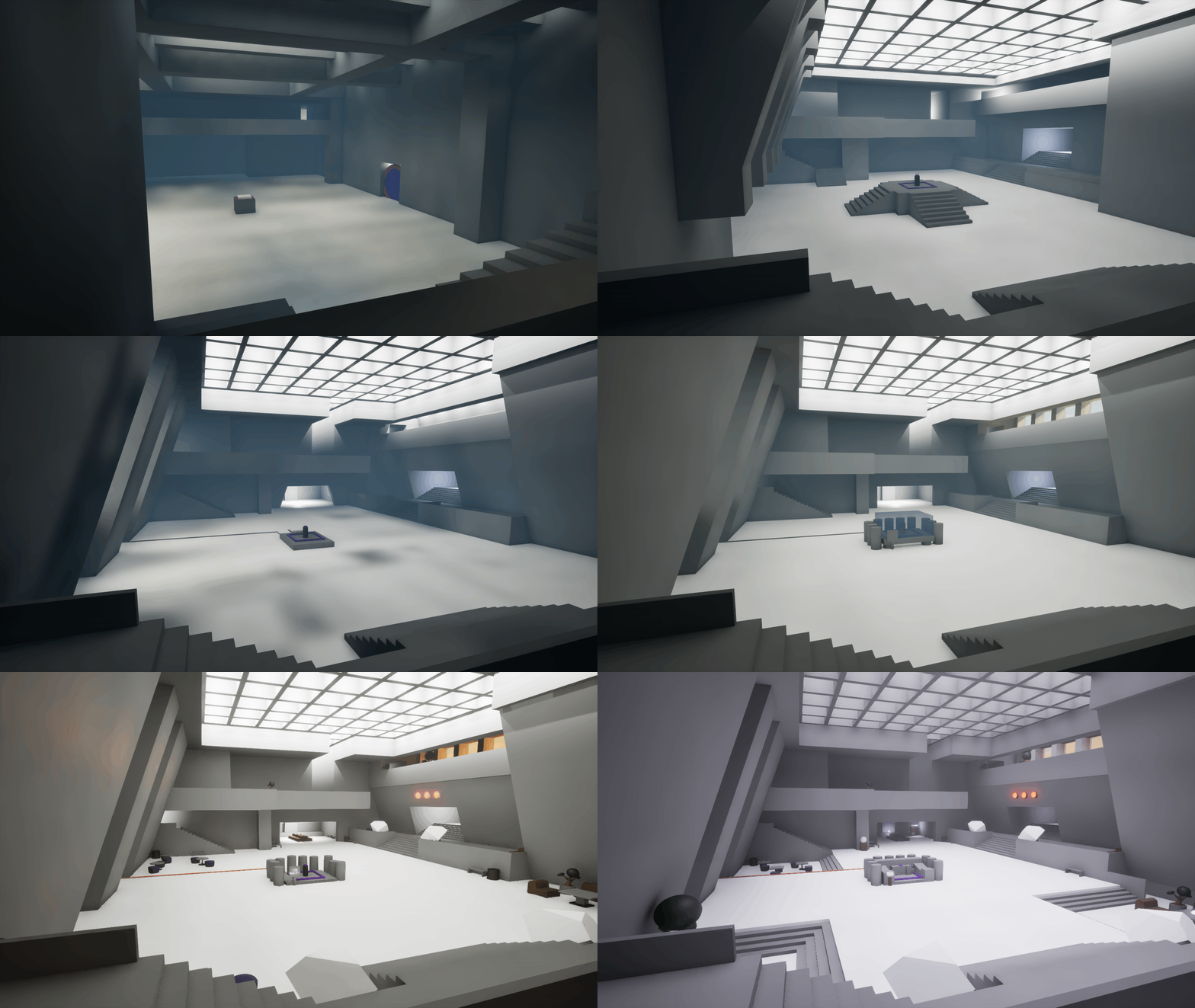
Whitebox progressions of the first room (Past/Clean Version)
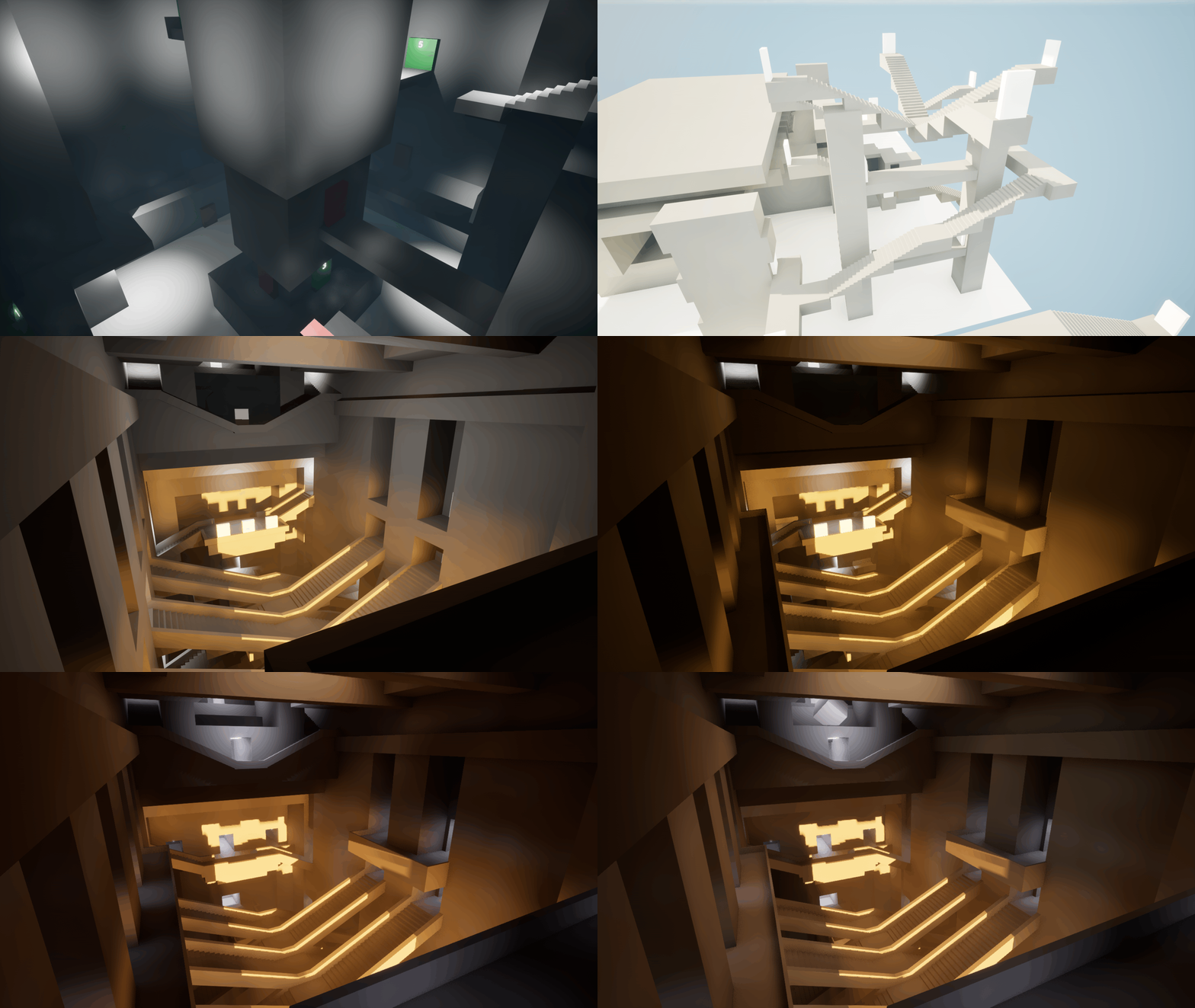
Whitebox progressions of Puzzle 1
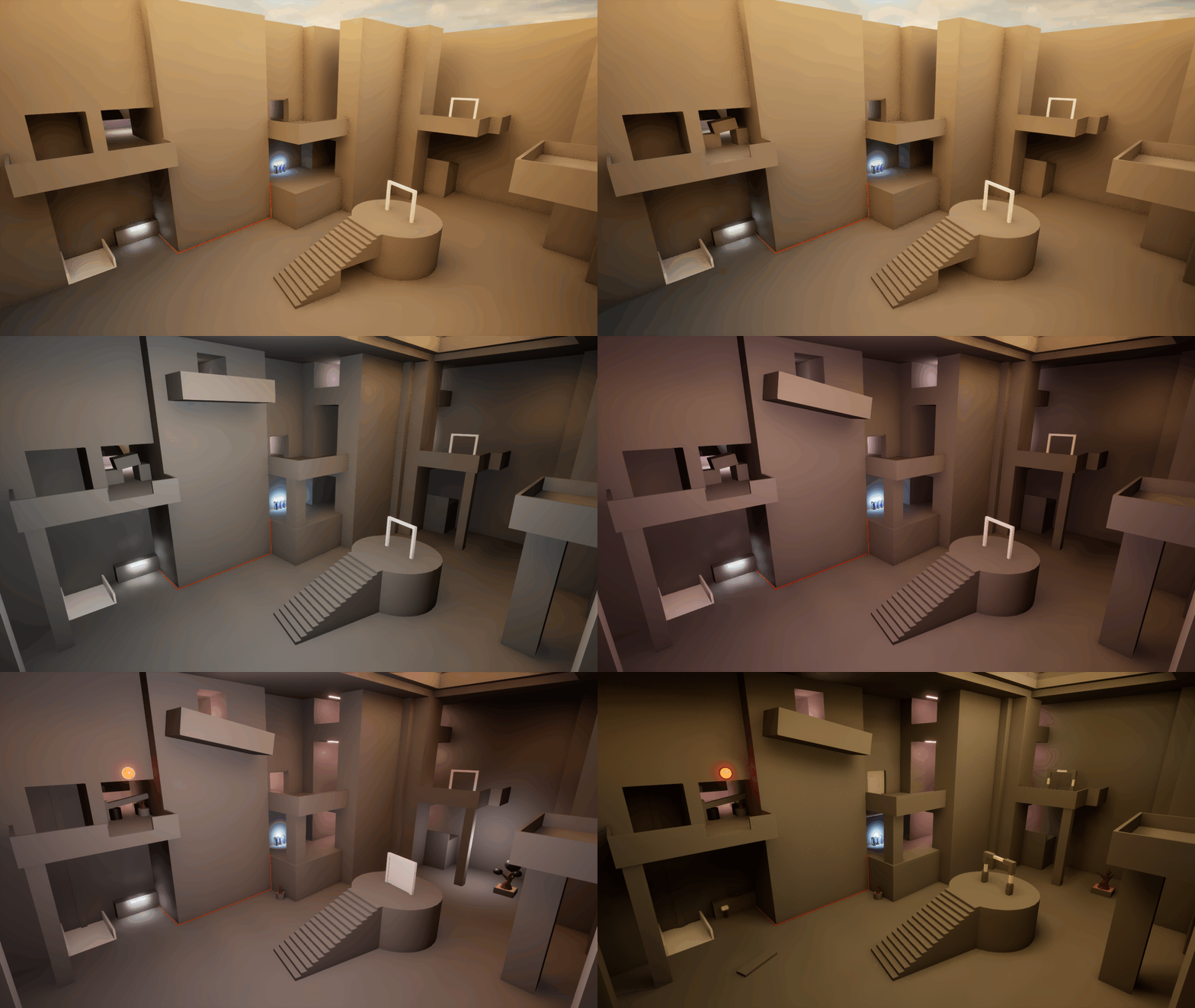
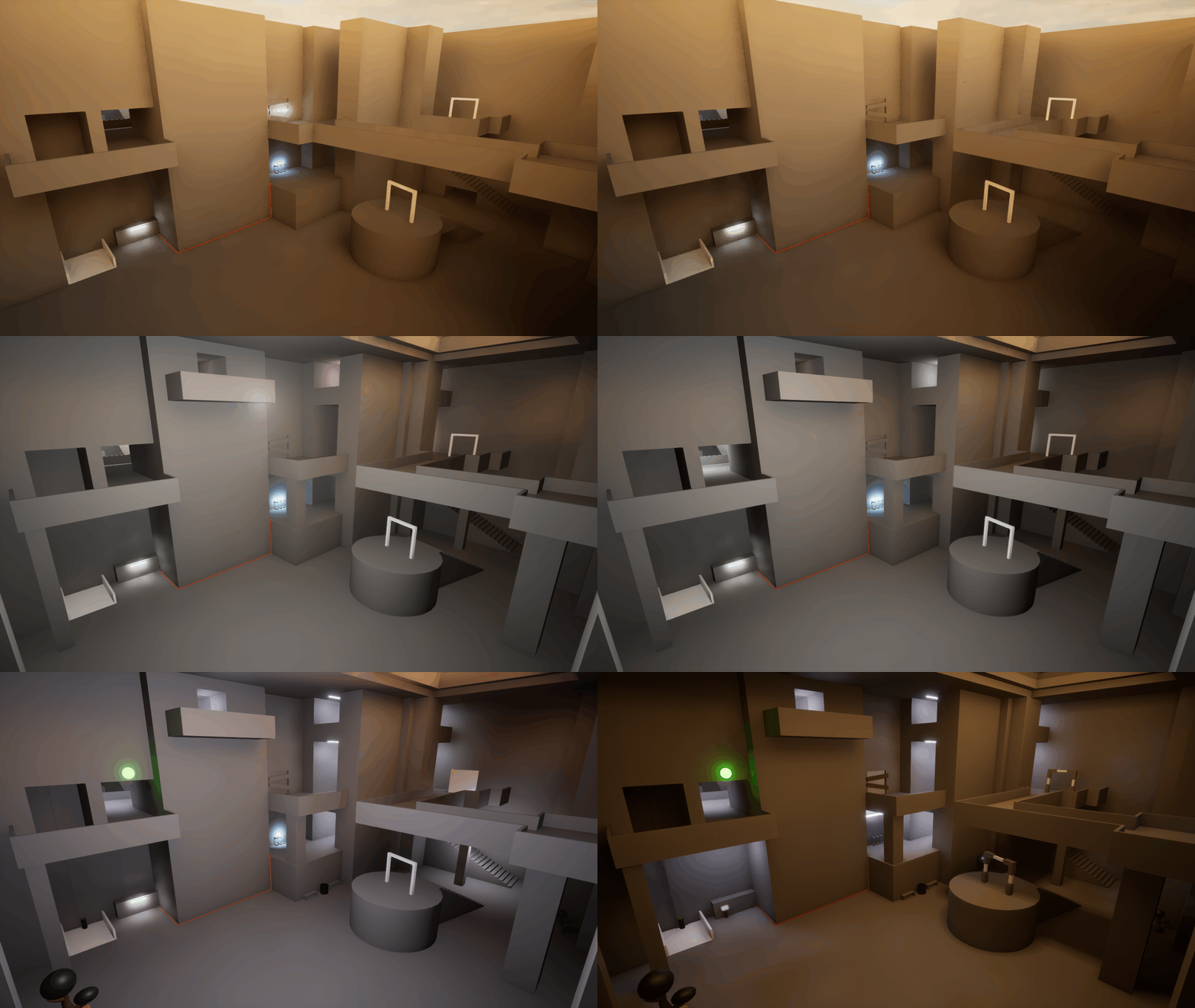
Whitebox progressions of Puzzle 2
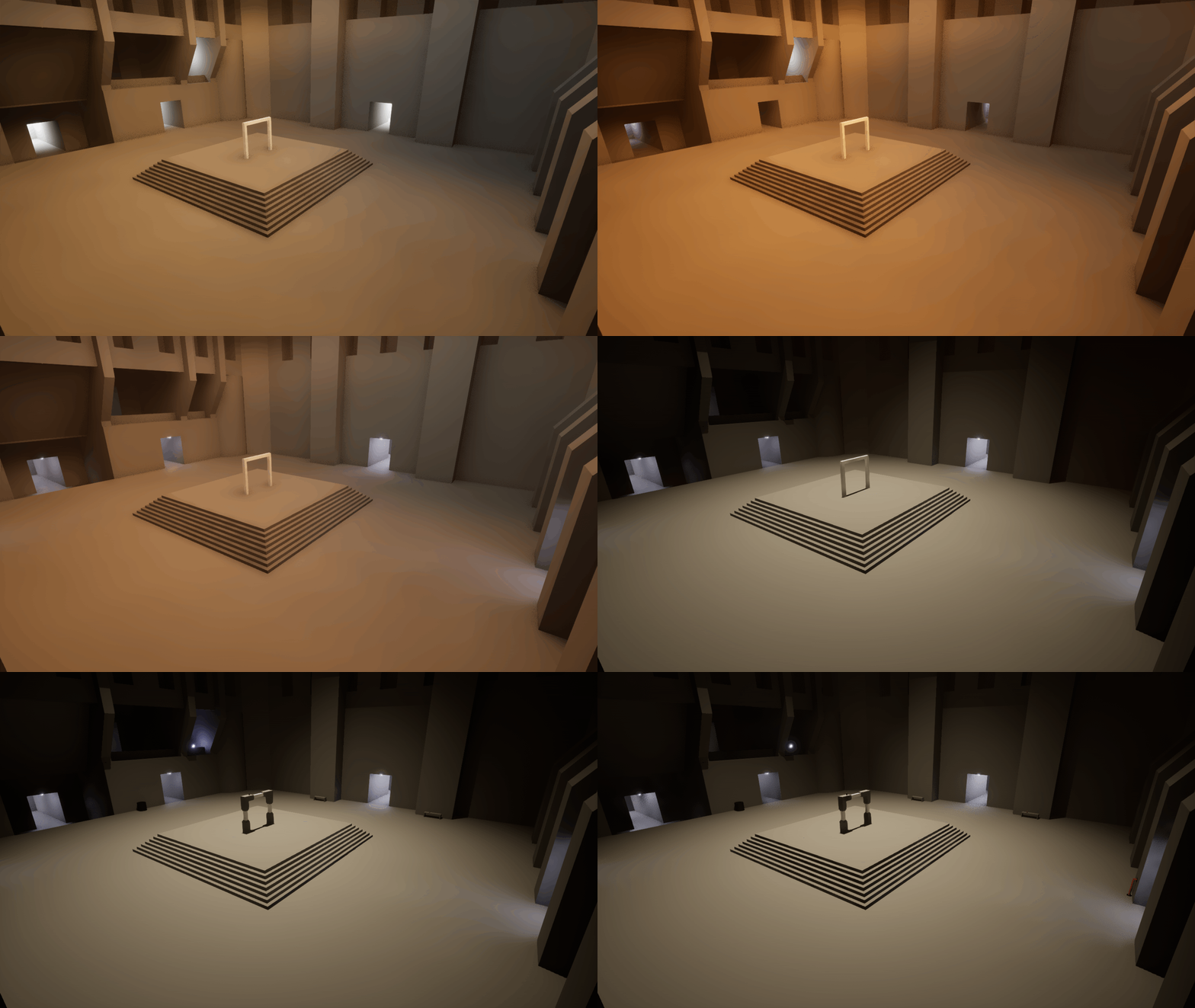
Whitebox progressions of Puzzle 3 (Past/Clean Versions)
Final Pass
After multiple iterations and test cycles, this is the final design of the major areas of the level.


Seamless Hallway Mechanic
This mechanic was inspired by similar ideas used in games such as MiSide, The Stanley Parable, and Antichamber. Utilizing an "impossible" space type of mechanic in a puzzle can create truly unique challenges and allows for creative expression in executing these ideas.
Core Mechanic Pillars:
- Seamless transition between spaces
- Create mystery while not being so unbelievable it causes confusion
- Utilize in a way that allows the player to create a mental map of the space to afford progression and understanding
Blueprint Layout
.png)
.png)
Seamless Gateway Mechanic
This mechanic was inspired entirely by Hellblade: Senua's Sacrifice, where the player engages with a "gateway" that shows them an alternate version of the space they're in, commonly opening paths or providing puzzle solutions.
Core Mechanic Pillars:
- Seamless transition between spaces
- Give the player a clear visual of what is changing
- Change the space enough to communicate a change of Time
Gate Setup Blueprints
SceneCapture Functionality (Visual)
(Event Tick is bad for performance but required for desired appearance)
.png)
"Portal" Functionality
.png)
.png)
.png)
Reflection
Overall, I'm very proud of how this project has shaped up to this point and I feel like I've learned a great deal about many aspects of Level and Game Design. With that said, I do believe there are a few things I could have approached differently to have the project progress smoother.
Level Design Reflection:
- When designing the Present version of the level, I think it could benefit from more drastic changes in the architecture to reinforce the idea of the passage of time, this also could allow for more interesting layout changes between the two times (this idea is used a few times throughout the level, but I'd like to utilize it more consistently and more dramatically)
- Creating the level as one large interconnected space made this the largest level I've ever made, and while that is something to be proud of, I think there are some sections of the level that clearly reflect that; notably, Puzzle 2 doesn't feel as refined architecturally and I think this is due to other sections of the level demanding more time and focus
- In general, designing the same level at 2 different points of in world time was a much larger challenge than I originally anticipated; specifically, deciding what should change, and how it should change in ways that not only make sense to the player, but also create a unique experience in either time
Game Design Reflection:
- Designing mechanics at the same time as the Level itself caused unexpected challenges and contributed to time constraints; getting the mechanics in place first would have absolutely had a positive impact on the overall project quality
- I think the idea for the Gateway mechanic is really interesting, however I likely wouldn't have moved forward with it if I knew the challenges that would come with it; the performance cost of rendering the parts of the level 2/3 times at a given time is immense and the time investment of creating a Cubemap solution was too extreme, additionally the time I took to remedy this performance issue could have been better spent refining the design of the level
- The Hallway mechanic seemed like a simple idea at first, however the calculations for correctly setting the player's camera rotation & momentum to truly create the seamless visuals were an unforeseen time sink
Other Project(s)


InVein
2025
A horror game created in Unreal Engine 5. Explore the depths of a Hospital that evolves as the days go on while you try to escape the Nurse.

bottom of page